Exploring Love for Art: The Role of Museums in Preserving Cultural Heritage
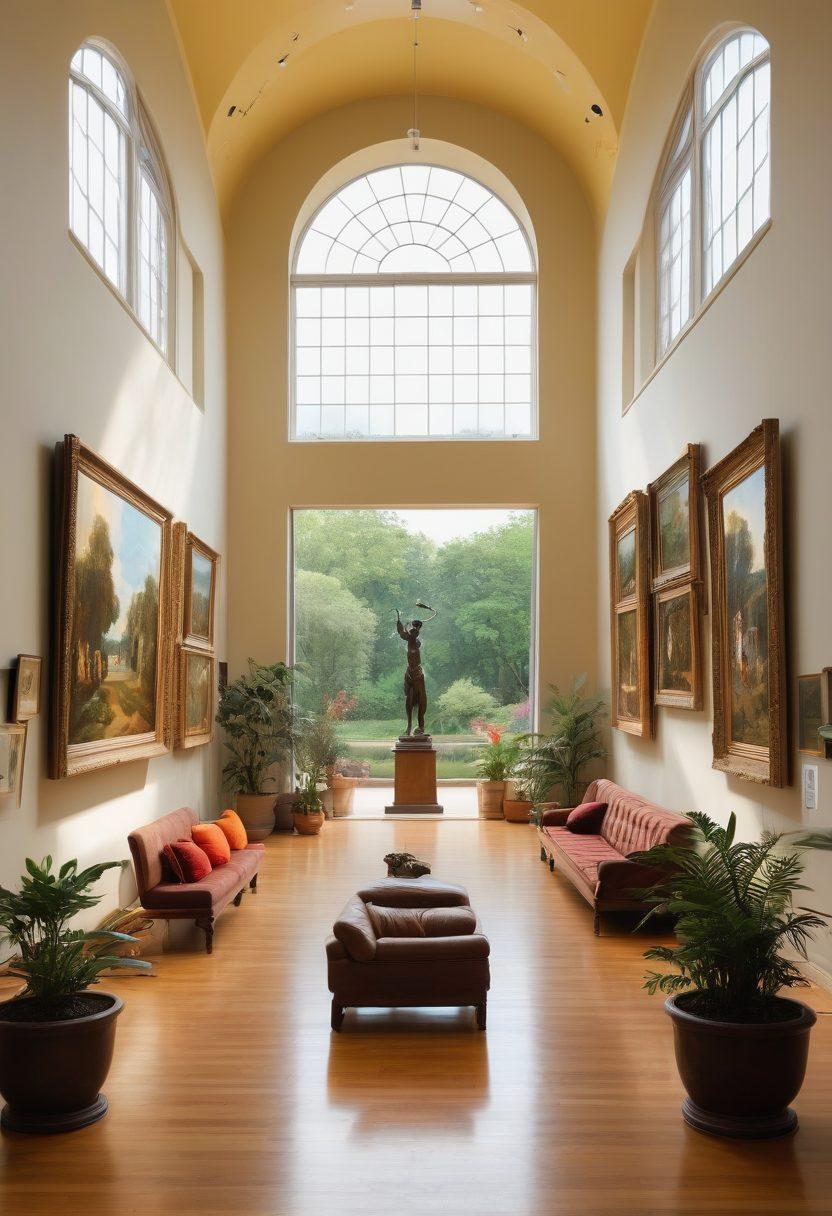
When you step into a museum, do you ever pause and think about the stories that surround each artwork, each historical artifact? Museums are not just buildings filled with art collections; they are guardians of our past, showcasing the rich tapestry of cultural heritage that defines who we are. They serve as crucial cultural institutions that preserve history, not only for our enjoyment but for the education of future generations. Imagine walking through a hall lined with cultural exhibits that tell tales of art and culture from across the world. Isn't it fascinating how these spaces bring us closer to our ancestry and the myriad of experiences that have shaped our societies?
Museums act as time capsules, containing treasured historical artifacts and archaeological collections that we might otherwise lose to the sands of time. As we explore the beautiful artworks displayed in art exhibitions, we also encounter stories of resilience, creativity, and transformation. A quote from famed curator Henrietta L. Goodridge echoes this sentiment: "A museum is a treasure chest of stories, waiting for our eyes to uncover them." Each display, whether it's an ancient sculpture or a contemporary piece, creates a dialogue between the past and present, urging us to understand the trajectories of our own cultures.
Yet, the role of museums extends beyond mere displays. They are hubs for educational resources, where museum education initiatives transform passive viewing into active learning. Interactive displays engage visitors, inviting them to dive deeper into the context of each piece, make connections, and draw conclusions. Imagine a child standing in awe in front of a gigantic dinosaur skeleton, learning about prehistoric times in ways that textbooks simply cannot convey. How many future paleontologists were inspired during a visit to a museum? These experiences can ignite passion and curiosity, shaping the minds of the next generation.
Museum curation is both an art and a science. Curators carefully select items to display, weaving together narratives that tell the story of humanity's artistic heritage. They undergo meticulous research and consideration to ensure that every cultural artifact is presented in a way that does justice to its origin and significance. Simultaneously, they strive to ensure accessibility through public displays that invite everyone to participate in the exploration of cultural heritage. Have you ever watched someone’s eyes light up as they uncover a personal connection to a piece of art? That connection can change everything.
As we reflect on the impact of museums in safeguarding our artistic heritage, we must remember that these cultural institutions are more than just places for admiration; they are facilitators of dialogue and understanding. They challenge our perspectives and urge us to engage critically with the narratives of our past. Through consistent efforts in maintenance, preservation of history, and new initiatives around art and culture, museums continue to play an integral role in sustaining our collective memory. So the next time you visit a museum, take a moment to acknowledge the journey those artifacts endured to reach you. Join the conversation about the past and the ongoing story of humankind, one exhibit at a time.
Interactive Journeys: The Impact of Art Exhibitions on Cultural Education
Imagine stepping into a world where history comes alive, where art speaks stories of the past, and where cultures connect through powerful visual narratives. This enchanting reality is created by museums, the custodians of our cultural heritage. One of the pillars of this experience is the interactive journeys offered by art exhibitions. These exhibitions do more than display historical artifacts; they educate and inspire visitors, making cultural education an intrinsic part of the museum-going experience. In this blog, we will delve into how art exhibitions play a pivotal role in educational resources, connectivity, and preserving our invaluable cultural heritage.
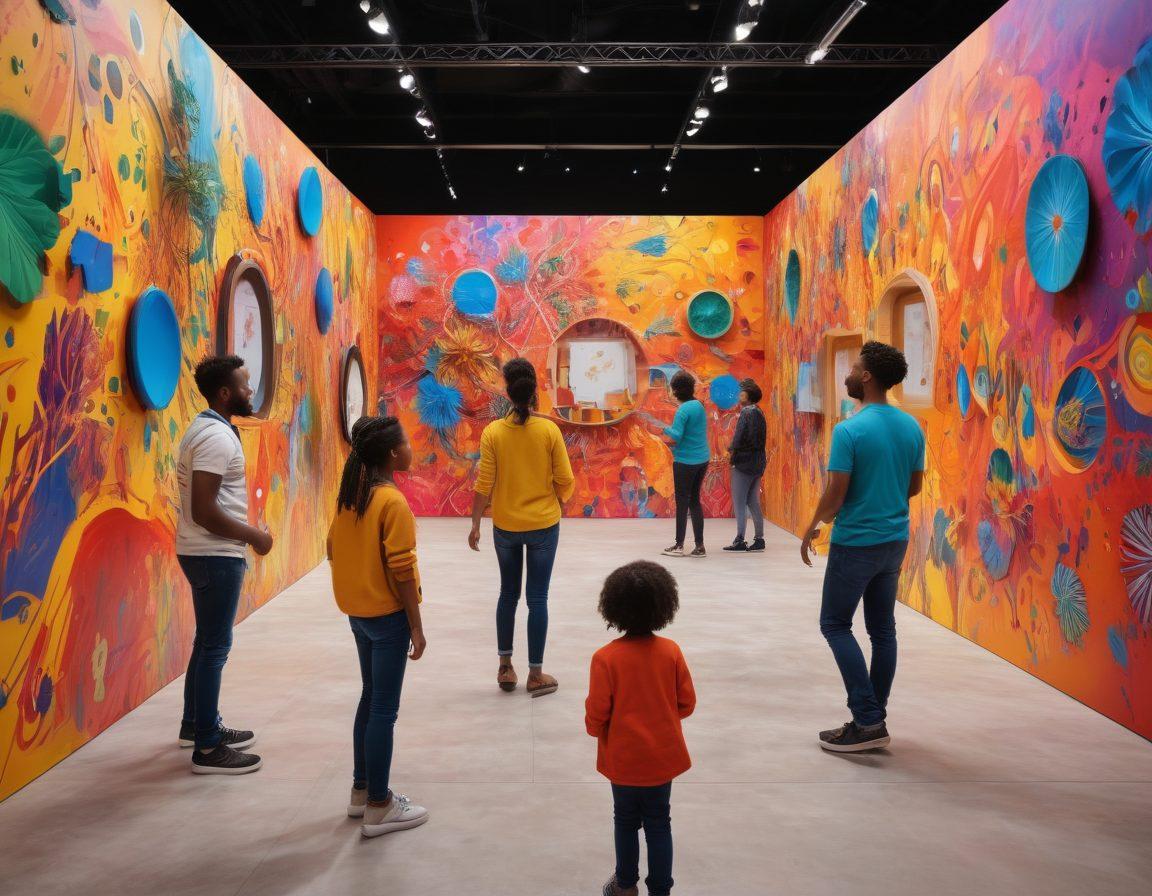
Have you ever wandered through a gallery and felt a palpable connection to the artwork? That connection often stems from the engaging, interactive displays created by museums to immerse visitors in the narrative of each piece. Interactive art exhibitions allow audiences to explore artistic heritage in a hands-on manner, sparking curiosity and prompting deeper understanding. Remember the first time you touched a smooth stone from an archaeological collection or interacted with an engaging screen that vividly brought historical displays to life? That moment is where learning transcends the conventional and becomes a rich, unforgettable experience.
Art collections in museums serve as more than just pretty objects; they are historical artifacts that tell the stories of our ancestors and their cultures. Each piece displayed in a cultural institution is meticulously curated to highlight its significance. Museum education does not just focus on the act of viewing but encourages active participation. Have you thought about how touching the past through interactive exhibits helps preserve history? It’s like walking through a time machine, connecting generations through the timeless language of art and culture.
Furthermore, imagine attending a cultural exhibit that includes workshops, lectures, or demonstrations, where visitors can meet artists or historians and learn directly from them. These educational resources amplify the experience of public displays by transforming them into communal gatherings that celebrate artistic expression. They inspire local communities to cherish their own cultural artifacts and heritage sites, fostering a shared sense of pride in artistic achievements and history. So, what role do you think you play in contributing to this cultural dialogue?
In conclusion, interactive art exhibitions are a crucial element of museum curation that not only captivates but also educates. These exhibitions provide an avenue for visitors to explore the depth of cultural heritage through engaging activities and meaningful representation of art and culture. By stepping into the world of museums, we immerse ourselves in the preservation of history, ensuring that future generations will also appreciate and understand our collective artistic heritage. So next time you visit a museum, take a moment to engage with the displays — you might unlock a new story waiting to be told.
Cultural Guardians: The Essential Role of Museums in Historical Preservation
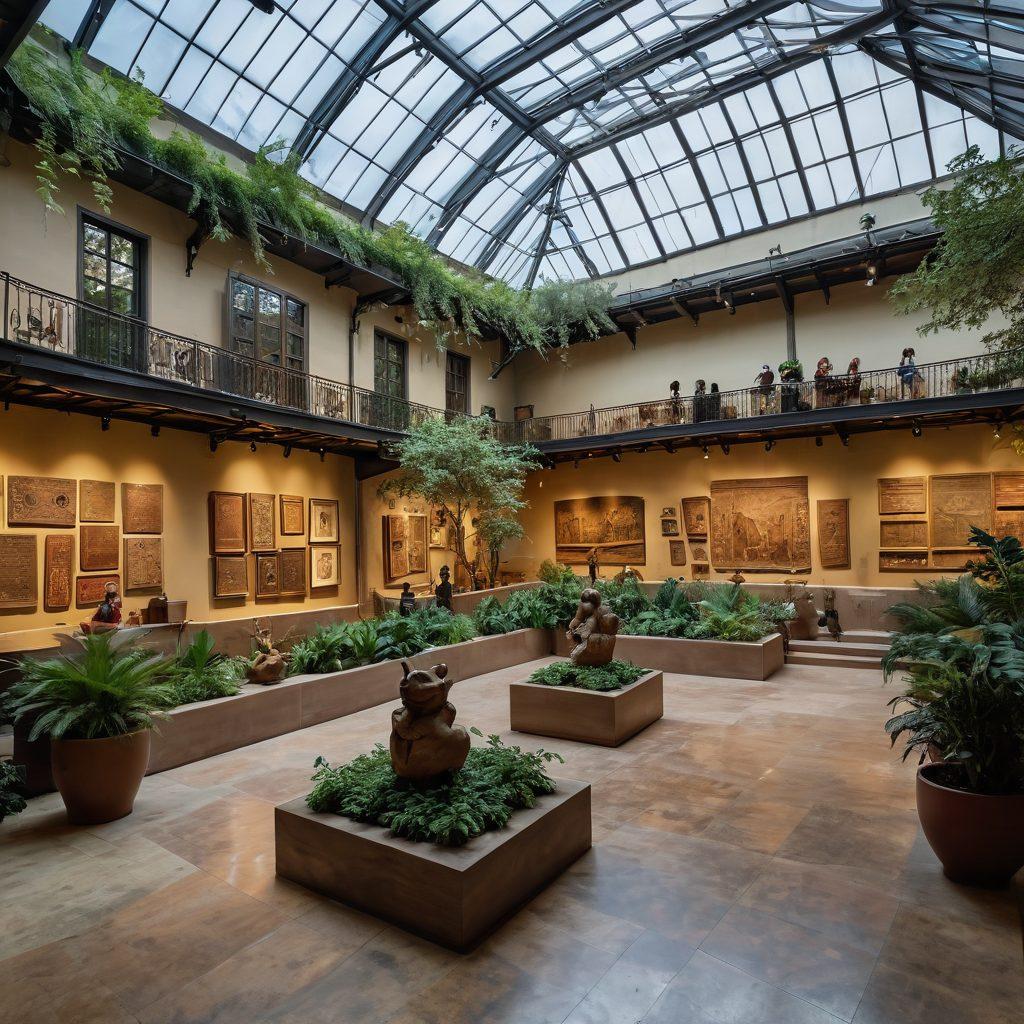
Museums are often thought of as quiet spaces filled with dusty artifacts and tranquil landscapes. However, these cultural institutions serve as vibrant storytellers, preserving and presenting the collective narrative of humanity. Imagine stepping into a museum and being enveloped by the whispers of the past; you can almost hear the rustle of historical artifacts as they recount tales of grandeur, turmoil, and evolution. Why are museums considered cultural guardians, and what essential role do they play in the preservation of our cultural heritage?
At the heart of every museum lies the delicate process of museum curation, a careful orchestration of collecting, preserving, and exhibiting art collections that represent our artistic heritage. Curation is not just about displaying beautiful artifacts; it is an intricate dance between storytelling and scholarship. Each piece within the institutional collections has its own story and context, waiting to be unveiled to the public. So, the next time you marvel at a painting in an art exhibition, remember the extensive research and passion behind its placement.
One of the most exhilarating aspects of modern museums is their flexibility in showcasing cultural exhibits. With the rise of technology, interactive displays have become a crucial element of museum education, transforming passive viewing into an engaging learning experience for visitors of all ages. Can you recall your last visit to a museum? Perhaps you found yourself captivated by an archaeological collection and engaged in the story of ancient civilizations. This ability to connect with the past through innovative means enriches our understanding of cultural heritage.
Moreover, museums act as brave stewards of their communities, often housing public displays that spark important conversations about history, identity, and belonging. They serve as heritage sites where individuals can gather and reflect on the multifaceted tapestry of existence. Have you ever experienced a profound moment while standing in front of a historical display? Those moments of introspection might just be the spark that lights the gradual flame of social change.
Ultimately, the essential role of museums in the preservation of history cannot be overstated. They are actively engaged in maintaining the legacy of cultural artifacts, ensuring that future generations will inherit and appreciate the vastness of human creativity and expression. As you stroll through the halls of your local cultural institution, remember that you are not just viewing art and culture; you are participating in an ongoing dialogue about who we are as a society. Museums are, indeed, the cultural guardians of our shared heritage, standing tall as beacons of history, learning, and inspiration.